
New Zealand Property and Mortgage Update: Rising Fuel Costs Prompt OCR Hike Forecasts
Executive Summary
Executive Summary
Rising global fuel prices have disrupted New Zealand’s economic recovery, driving a sharp increase in inflation expectations and prompting major banks to forecast upcoming Official Cash Rate (OCR) hikes. Consequently, the housing market remains subdued, with mortgage rates inching upward and property values facing downward pressure across much of the country.
Key Takeaways
- Inflation Expectations Rise: The RBNZ’s Q2 Survey of Expectations reveals one-year inflation projections jumped to 3.41%, and two-year expectations rose to 2.53%.
- OCR Hikes Imminent: Economists from ASB and Westpac now expect the Reserve Bank to begin lifting the OCR from 2.25% as early as July or September 2026.
- Mortgage Rates Climbing: Banks have started raising fixed mortgage rates, with one-year fixed rates currently sitting between 4.59% and 4.69%.
- Housing Market Softens: National sales remain sluggish with over 10% of residential properties selling at a loss in Q1 2026, though first-home buyers have capitalized to reach a 27.5% market share.
Market Breakdown
Inflation Pressures and the Official Cash Rate
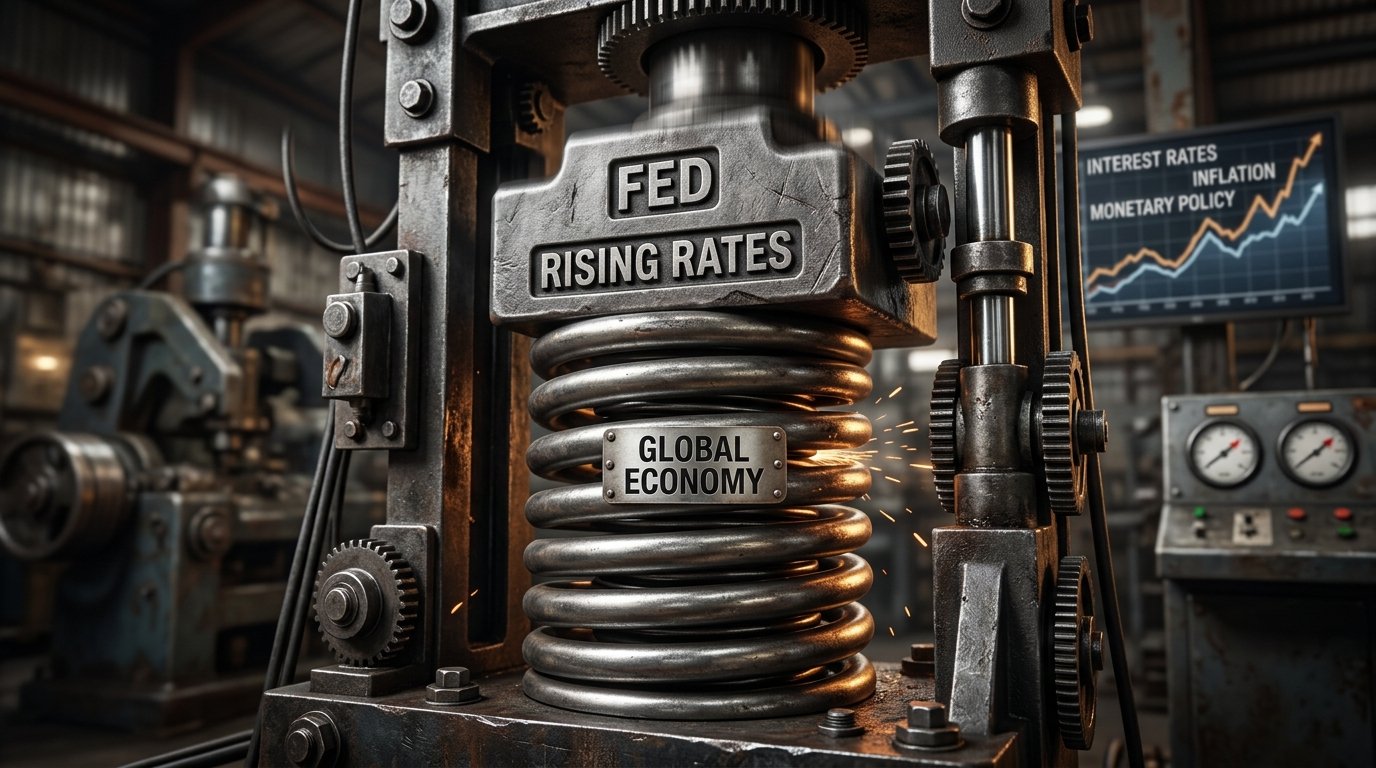
New Zealand’s fragile economic recovery is being tested by global events, particularly surging oil and refined fuel prices linked to the Iran conflict. According to Stats NZ, domestic petrol prices increased 33.6% and diesel skyrocketed 94.9% in the two months since February 2026. This energy shock is expected to feed into broader price pressures, pushing the Reserve Bank’s Q2 Survey of Expectations to its most pessimistic reading in years. One-year inflation expectations now sit at 3.41%, while the critical two-year horizon has risen to 2.53%, comfortably above the 2% midpoint of the RBNZ’s target band.
As a result, economists have heavily revised their monetary policy outlooks. While the OCR currently sits at 2.25%, markets and forecasters are pricing in near-term increases. Westpac anticipates the RBNZ will begin lifting the OCR by September 2026, reaching 3.00% by year-end and 4.25% by late 2027. Similarly, ASB expects hikes to commence as early as July, projecting the OCR will end the year at 3.25%.
Mortgage Rates Reverse Course
For borrowers, the shift in OCR expectations means borrowing costs are increasing again. Banks have already begun adjusting their rates upward to account for anticipated RBNZ actions and higher wholesale funding costs. Current negotiated rates show six-month terms around 4.45% to 4.49%, one-year rates at 4.59% to 4.69%, and average floating rates at 5.76%. Borrowers refixing their mortgages over the coming year will face a gradual transition onto higher rates, limiting the financial relief previously expected from earlier OCR reductions.
Property Market Divergence
The housing market currently faces low demand, ample supply, and significant affordability challenges. Experts caution that property prices could fall further as households grapple with rising living expenses, job insecurity, and elevated mortgage costs. In the first quarter of 2026, more than one in ten residential properties sold at a loss, and almost one-in-five Auckland residential sales were loss-making. First-home buyers, however, remain heavily active, increasing their market share to 27.5% as they navigate less competitive conditions.
Regionally, Canterbury continues to buck the national trend. Driven by post-earthquake rebuild payoffs and a growing population, the region reached an 18-year record asking price high of $735,798 in April 2026. In contrast, the broader national economic outlook remains subdued, with Infometrics downgrading 2026 GDP growth to 1.3% and Westpac revising its forecast down to 1.5%.
Summary
With major banks forecasting OCR hikes starting as early as July 2026, floating your mortgage leaves you highly exposed to imminent rate increases. While shorter-term fixed rates currently offer the lowest absolute borrowing costs around 4.49% to 4.69%, borrowers must weigh this against the risk of refixing into a higher-rate environment next year. Fixing your mortgage now provides essential immediate budget certainty, which is critical given the rising cost of living, sticky inflation, and shifting economic forecasts.